Pregnancy and Birth on the scottish islands
Life on the Scottish islands offers natural beauty, peace, a LOT of rain, and a charming element of isolation. This all sounds somewhat like a romance novel. When you add pregnancy and birth into this mix, arguably less so.
So how does pregnancy and birth work when living in such a remote part of Scotland?
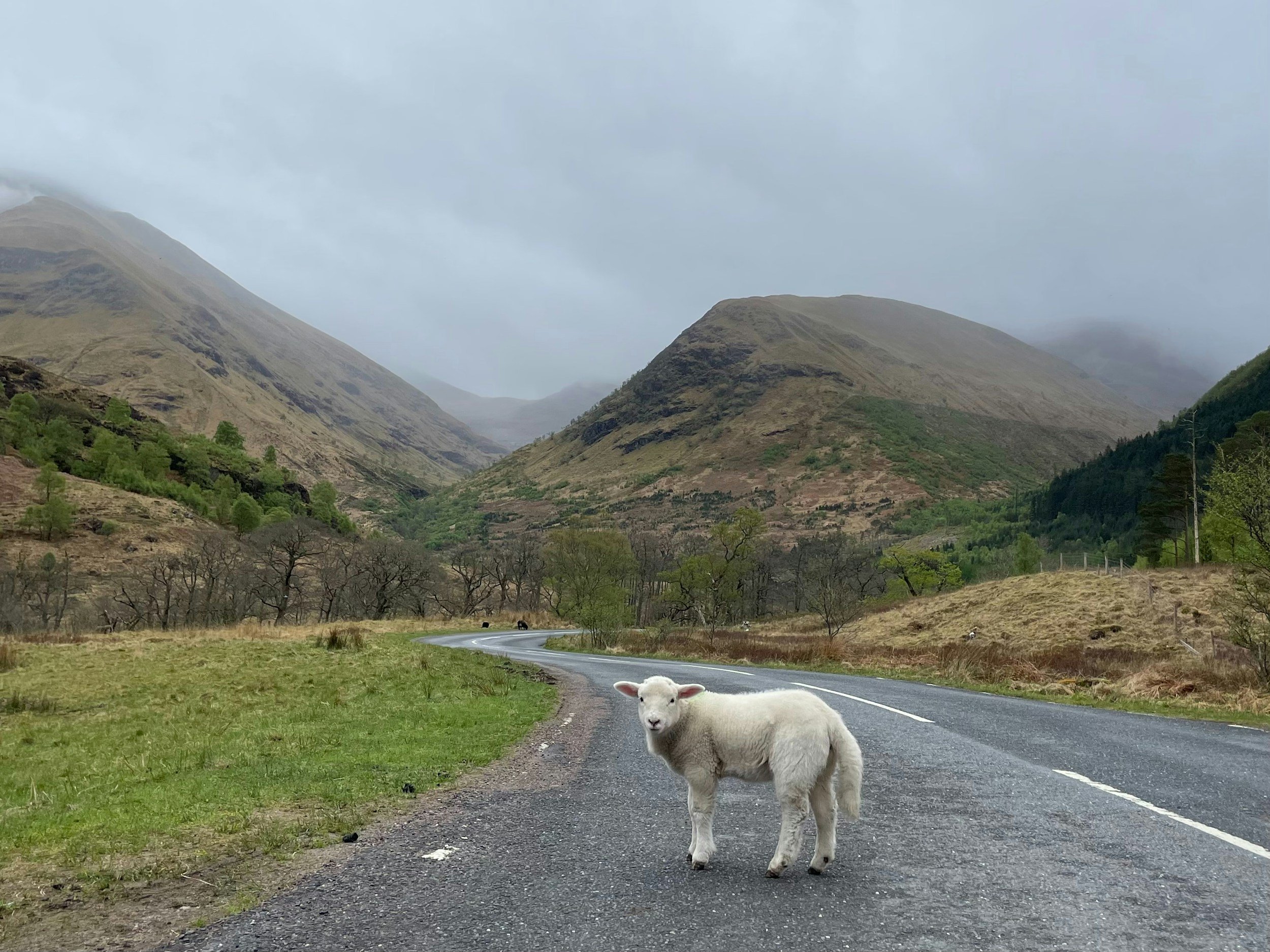
Large areas of the Scottish islands are remote and isolated.
The geography
Strikingly, Scotland has over 790 offshore islands. Of which only around 100 are inhabited. This equates to a total population of 103,000-105,000. Some Islands such as Skye are seeing a fast rise in their population.
This rise could be merited to several different factors: the surge in Skye's popularity on social media since Covid, the tourism boom driven by shows like Outlander, or simply people seeking a quieter, more peaceful way of life surrounded by some of the most beautiful scenery in the world.
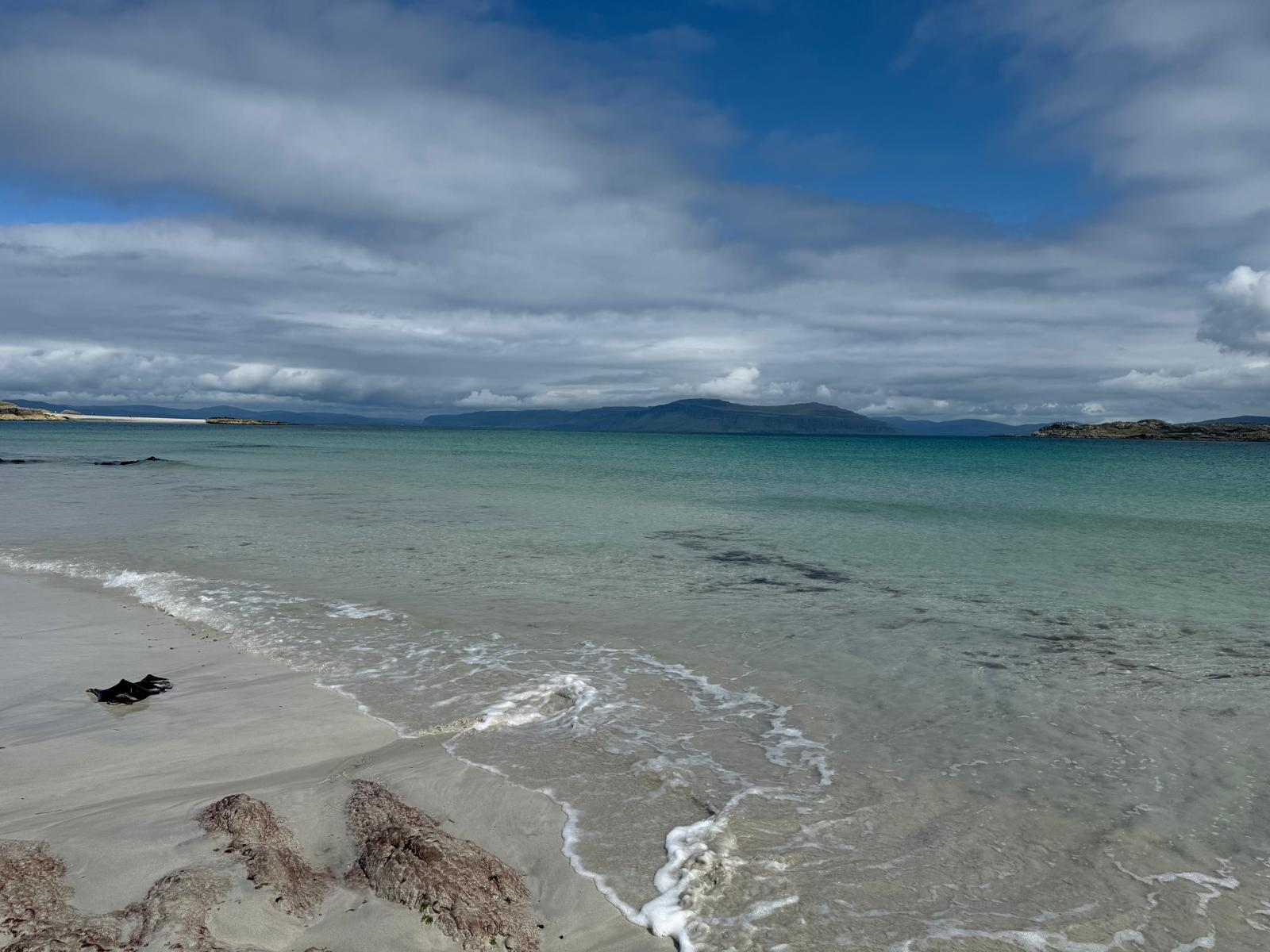
The Scottish Islands Have some of the most beautiful beaches in the world.
For all their beauty, Scotland's islands can be genuinely isolated places - surrounded by open water, at the mercy of the weather, and often hours from the nearest hospital.
The History
For most of Scottish history, births on the islands were attended not by doctors but by a local howdie - an untrained but deeply trusted community midwife. On remote islands, they were often the only person for miles with any real experience of birth. They were trained from the community Howdie’s and from observation. Howdie’s were especially important on the remote islands, where harsh weather could mean help could not arrive.
One such Howdie was Elizabeth Balfour from Shetland, born in 1832. She was known for her immense skill and ability to deal with high risk birth with very little resources, often traveling miles across harsh seas. On one such instance she travelled to Muckle Roe Island to help a difficult labour during a fierce storm. She improvised and assisted the delivery with a pair of forceps, made by her husband who was a blacksmith, saving the life of both the baby and mother.
Midwifery only became a regulated profession in 1915, and the NHS's arrival in 1948 shifted birth from home to hospital, at this time slowly women began to move to the larger islands or the mainland for birth.
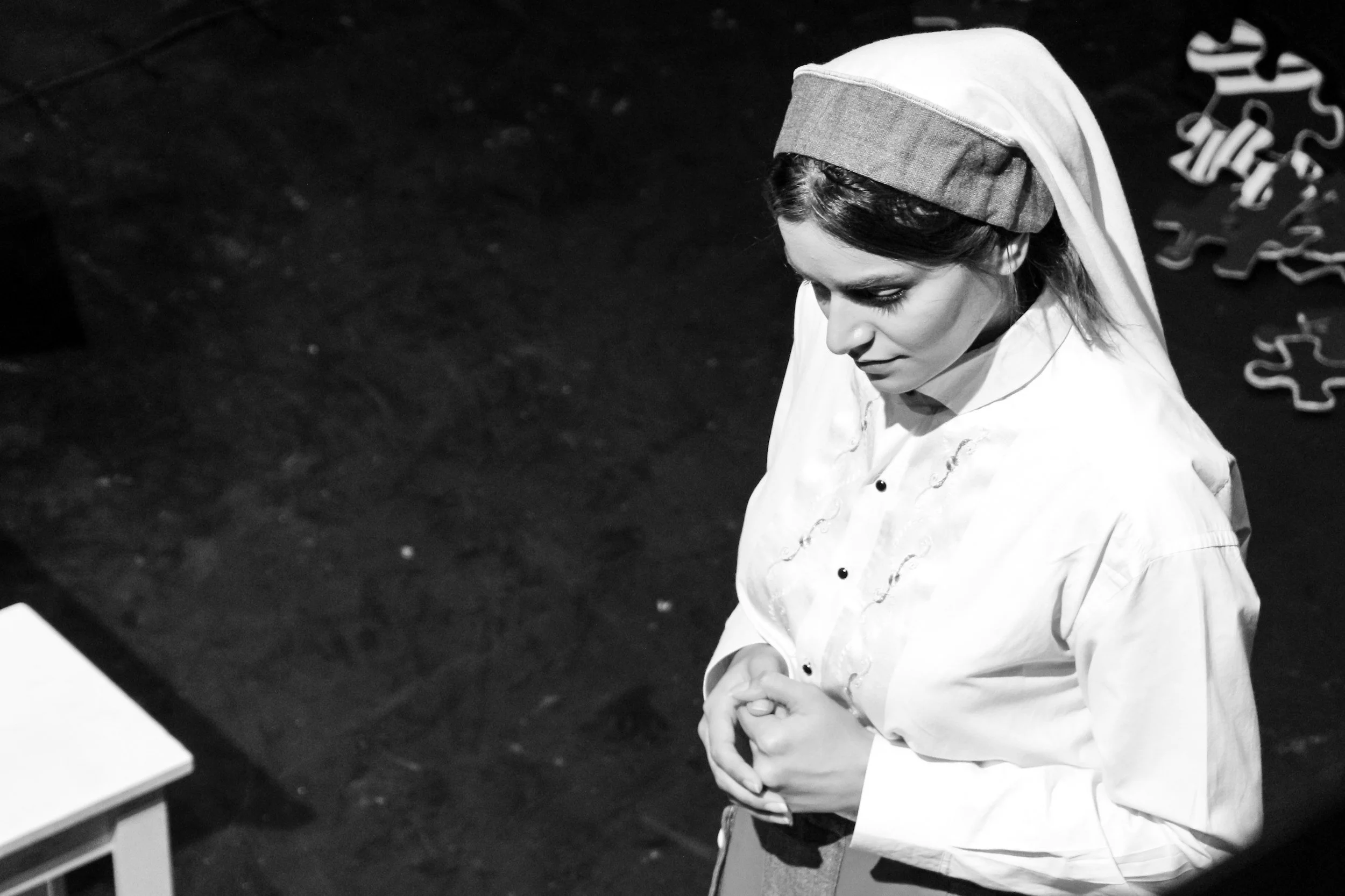
The 2019 Christmas Special of Call the Midwife focussed on the remote nature of maternity care in the Outer Hebrides.
Antenatal Care
Community midwives exist throughout all the Islands and NHS Scotland has done a great job of ensuring antenatal care is accessible to all - regardless of how remote they live. Community midwives will set up hubs in local GPs or perform home visits to pregnant women.
Routine scans (such as the 12 week dating and 20 week anomaly scan) can only be performed in certain places and women in the more remote islands will need to travel off the Islands for these.
The Birth
There are only four maternity units on the islands themselves that can facilitate births.
Women who live on any of the other islands or have a higher risk pregnancy, need to relocate to either one of the above islands or to the mainland to places such as Inverness, Aberdeen or Glasgow.
If there's a chance their baby will be born preterm, mainland transfer becomes essential: Orkney, Shetland, and the Western Isles don't have neonatal intensive care units, so the smallest and sickest babies must be born (or urgently transferred) to one of Scotland's three specialist NICUs, in Aberdeen, Edinburgh, or Glasgow.
Travel
Most women if they know they need to relocate to give birth will do so in plenty time of the birth. Common methods include flying via plane or ferry.
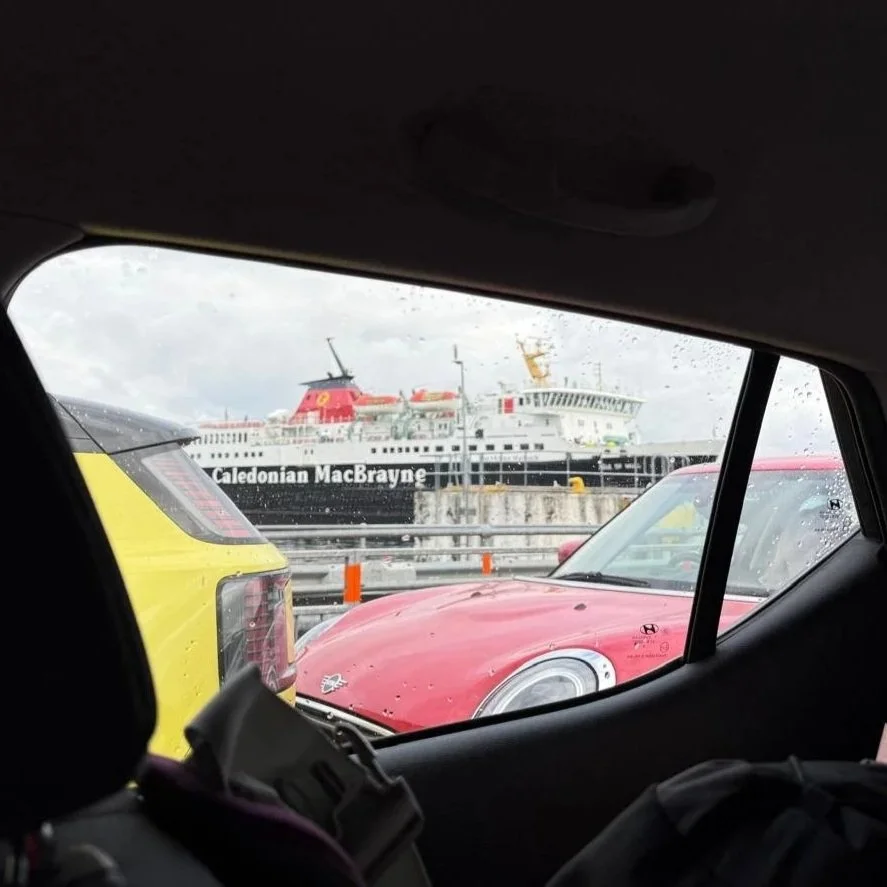
Caledonian MacBrayne (CalMac) offer the main services alongside NorthLink ferries servicing Orkney and Shetland.
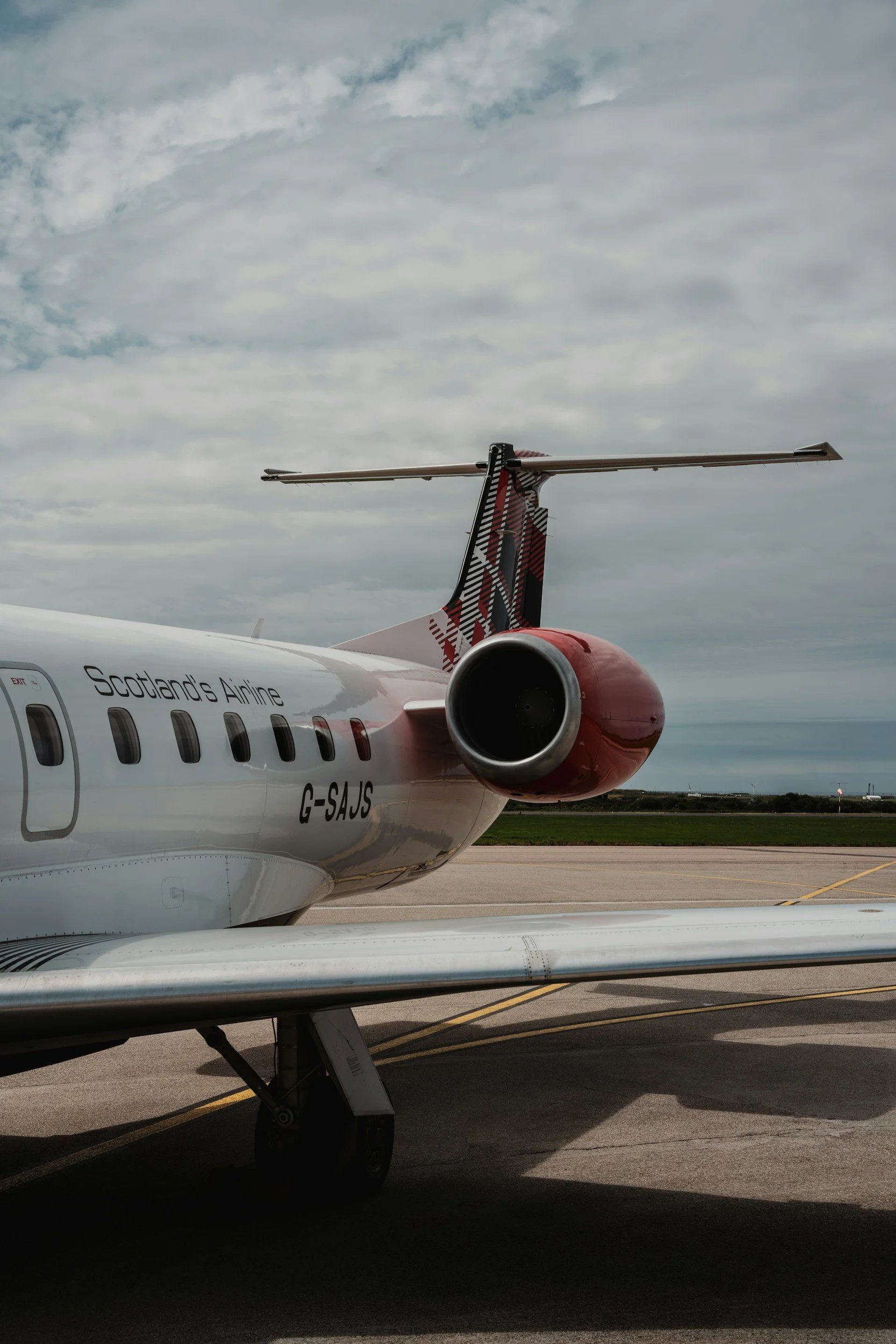
Scotland’s airline LoganAir allows women to fly up to 40 weeks pregnant (with a doctors note).
However in emergency situations this is not possible. The Scottish Ambulance Service operates two helicopters (based at Glasgow and Inverness airports) and two fixed-wing planes (Glasgow and Aberdeen), all available 24/7 for medical transfers. At Orkney's Balfour Hospital specifically, air ambulance (fixed-wing or helicopter) transports pregnant women to Aberdeen, and inter-island transfers happen for women already in labour.
Eilidh, a teacher from North Uist expecting her third child, was airlifted off the island at 34 weeks after a routine check revealed dangerously high blood pressure from preeclampsia. She safely delivered her son shortly after arriving on the mainland.
From the howdies who rowed between islands to reach labouring women, to the air ambulances that still do something similar today, one thing hasn't changed across centuries of Scottish island life: giving birth here has always meant navigating distance.
The geography hasn't moved, the islands are still incredibly remote. What's changed is the system built around it: community midwives reaching every corner of the isles, four active maternity units, specialist care centralised on the mainland, and a genuinely impressive emergency network ready for the moments they are needed most.
Laura is a Scottish, UK-registered midwife and founder of Solare Maternity.