The Finnish Baby Box: History, Contents, and the Countries It's Inspired
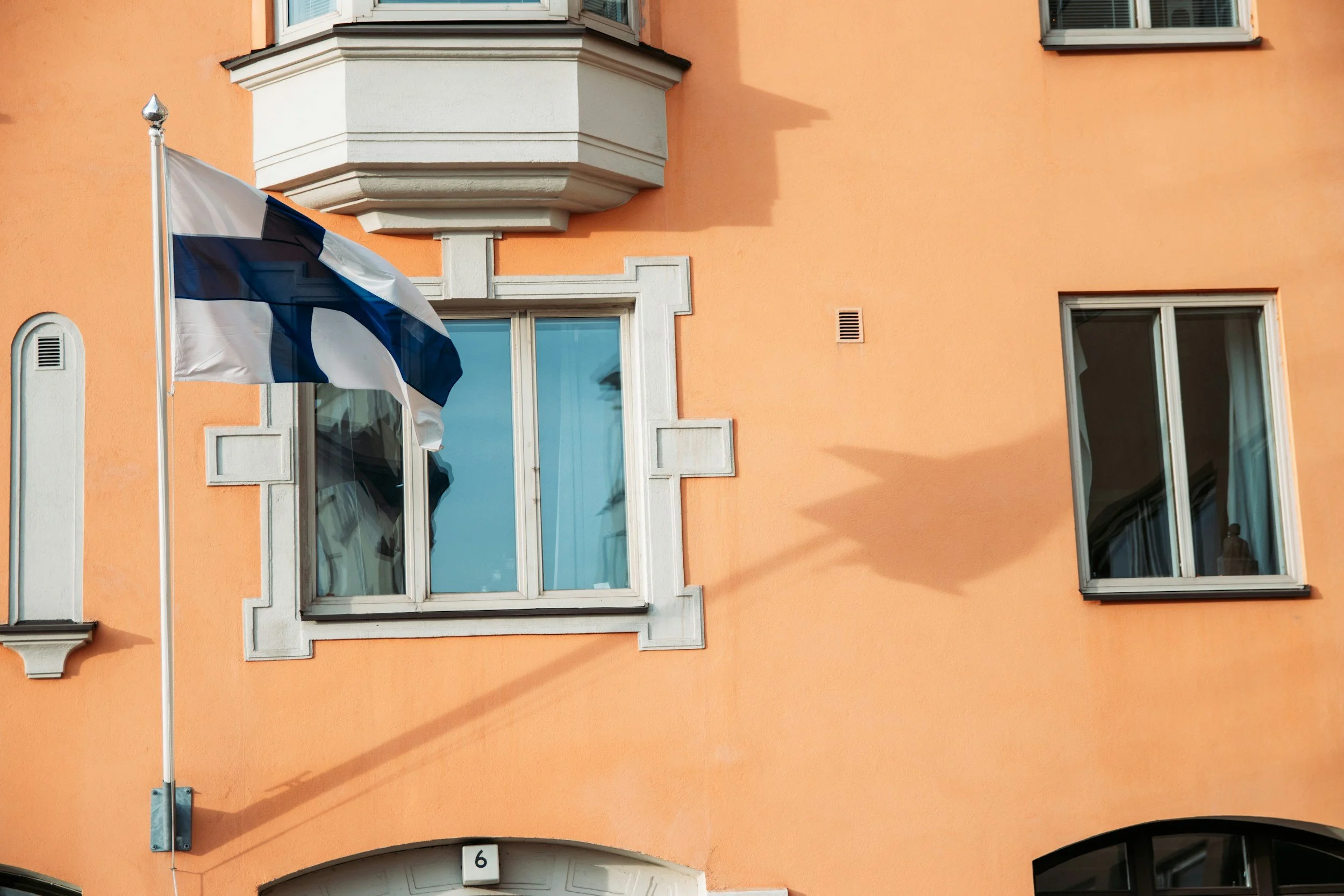
In 1938 Finland introduced the ‘baby box’ or äitiysavustus as it is officially known.
What is it?
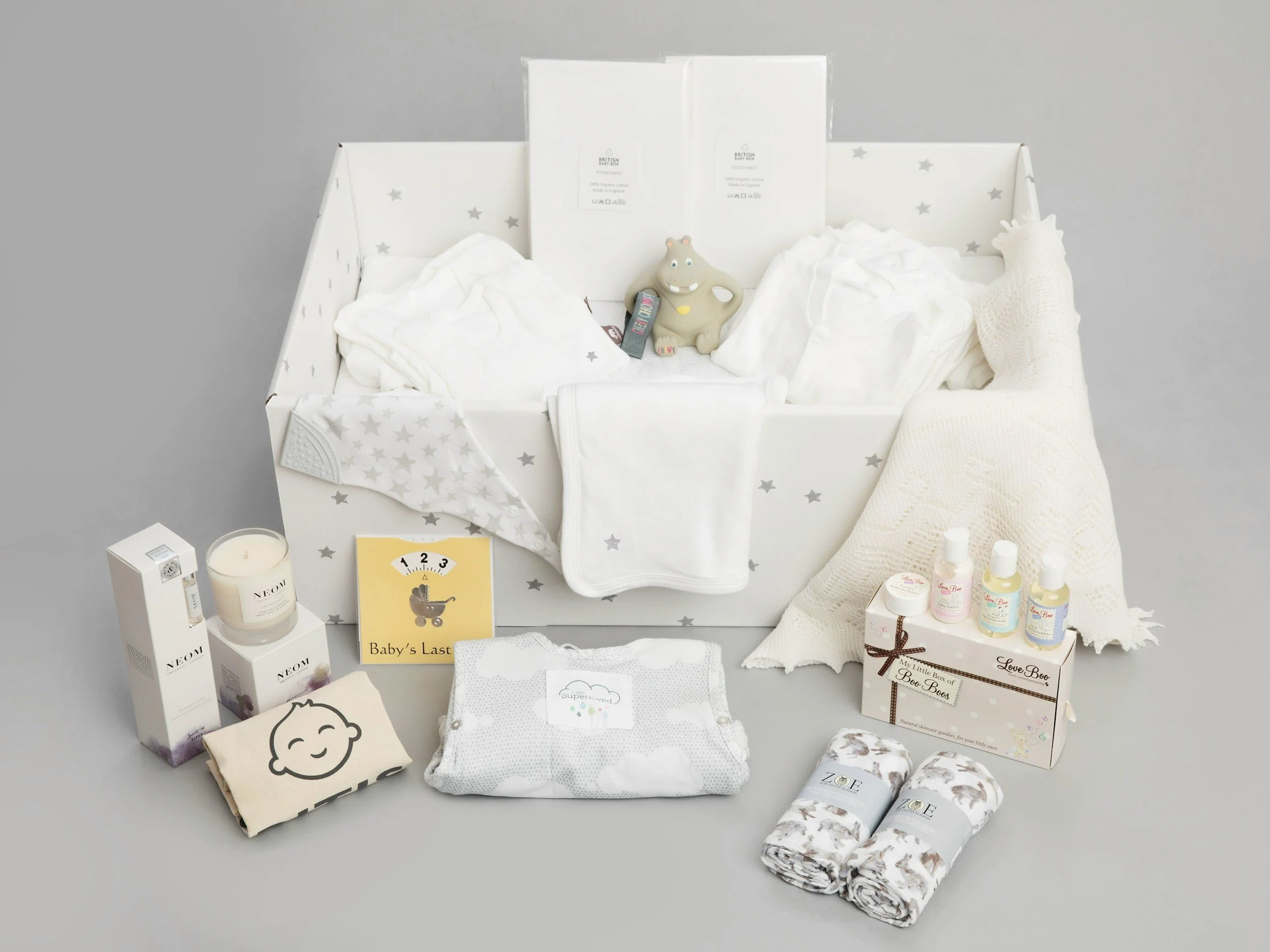
The Finnish baby box is a package of baby clothing and essential items given to all expectant mothers. The box itself is designed to double as a safe first bed, with a firm mattress fitted to the base and sturdy cardboard walls -genuinely the first place many Finnish babies ever sleep. The whole concept is to ensure all babies have the best possible start to life.
Why was it introduced?
The scheme wasn't born from charm but it came from crisis and genuine need. In the early 20th century, Finland faced strikingly high infant and maternal mortality, driven by poverty, poor sanitation, and a harsh climate, at a time when the country was a relatively poor agrarian state. The Maternity Grants Act of 1937 was designed to address this directly, giving mothers baby clothes and care items to ease the financial burden of a new baby and support infant health.
Who is Eligible?
Initially, the grant was only available to low-income mothers. It wasn't until 1949 - over a decade later, that it became a truly universal benefit, available to every mother in Finland regardless of income. It remains this way today.
What is inside?
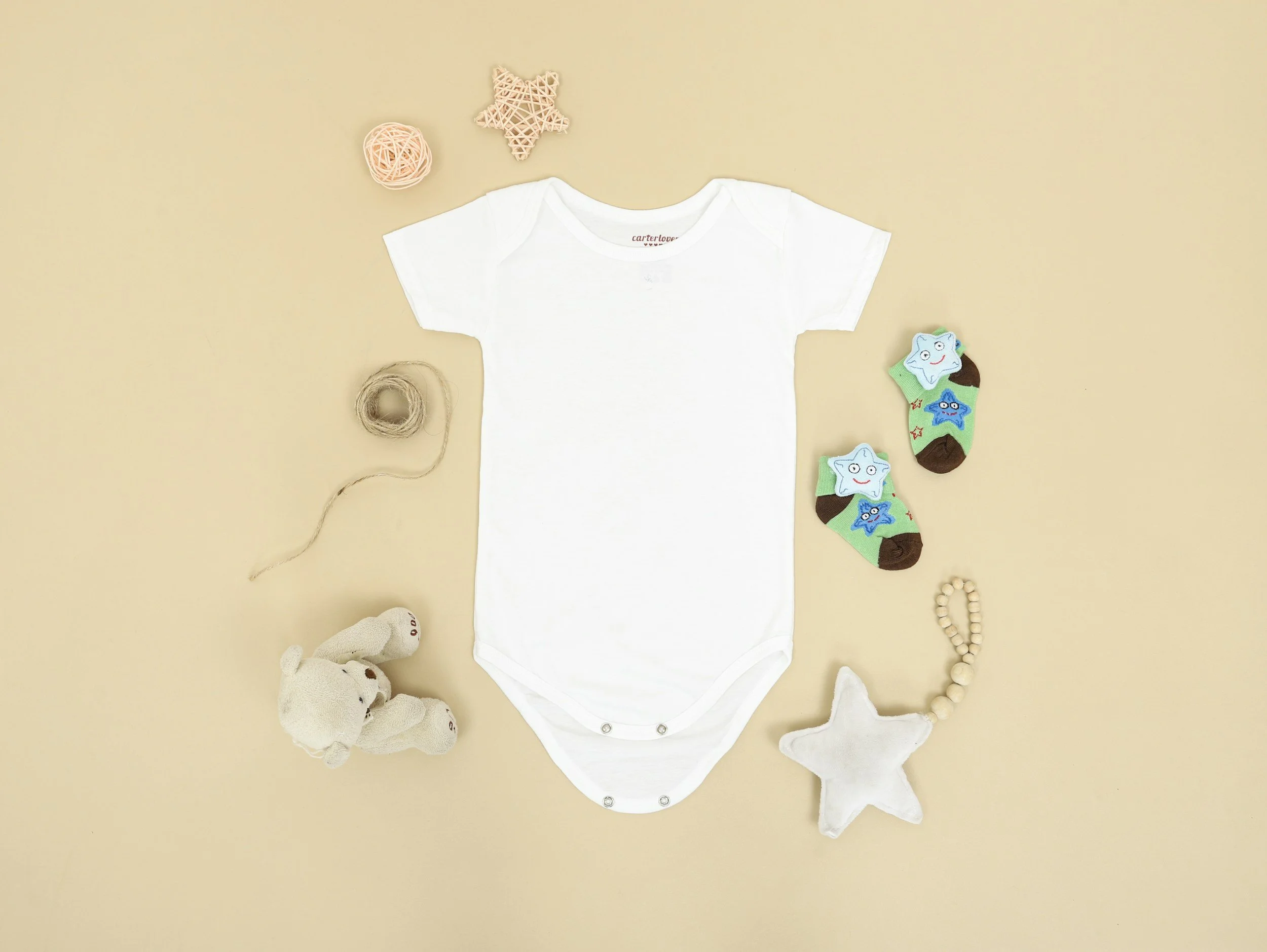
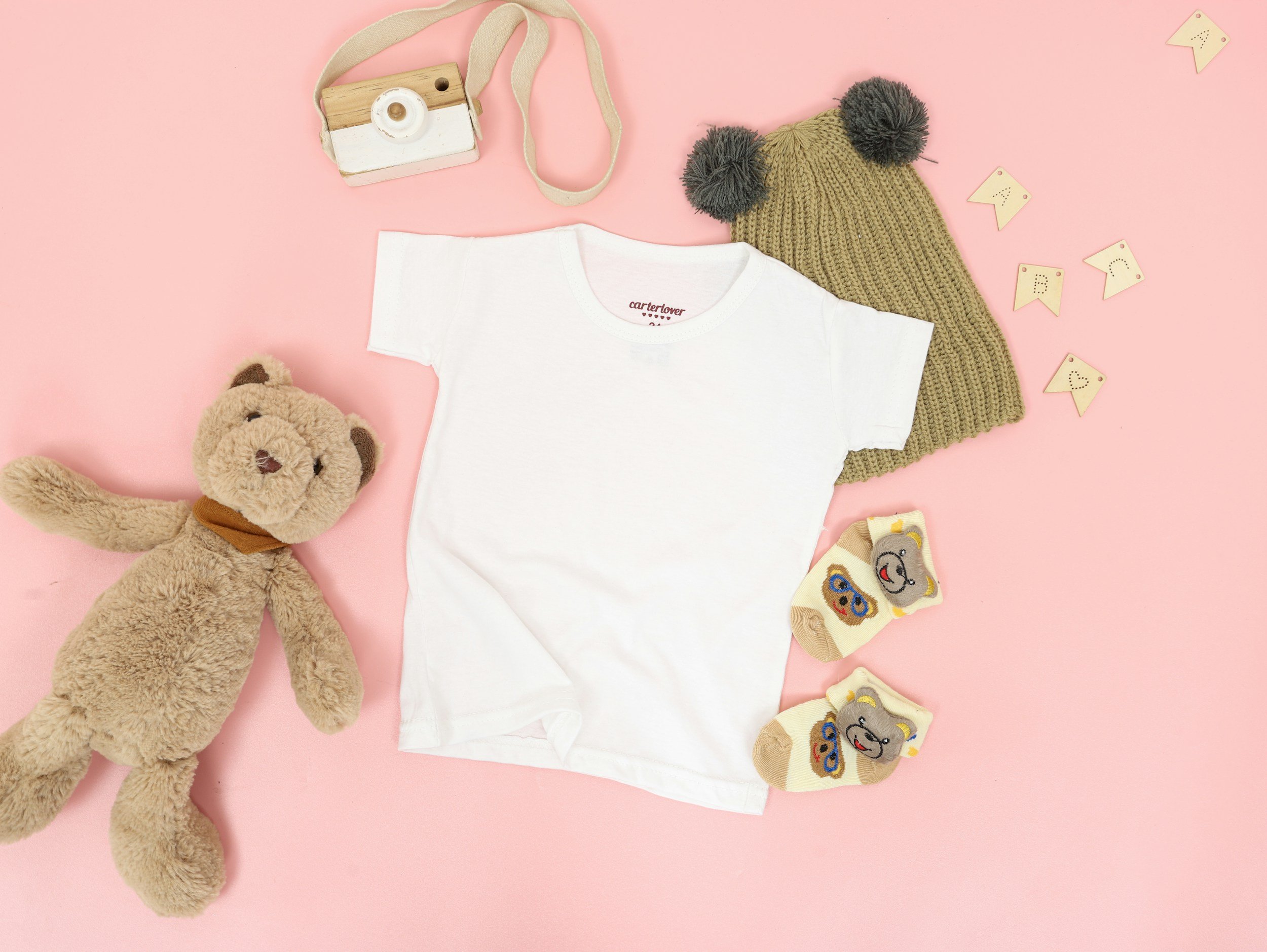
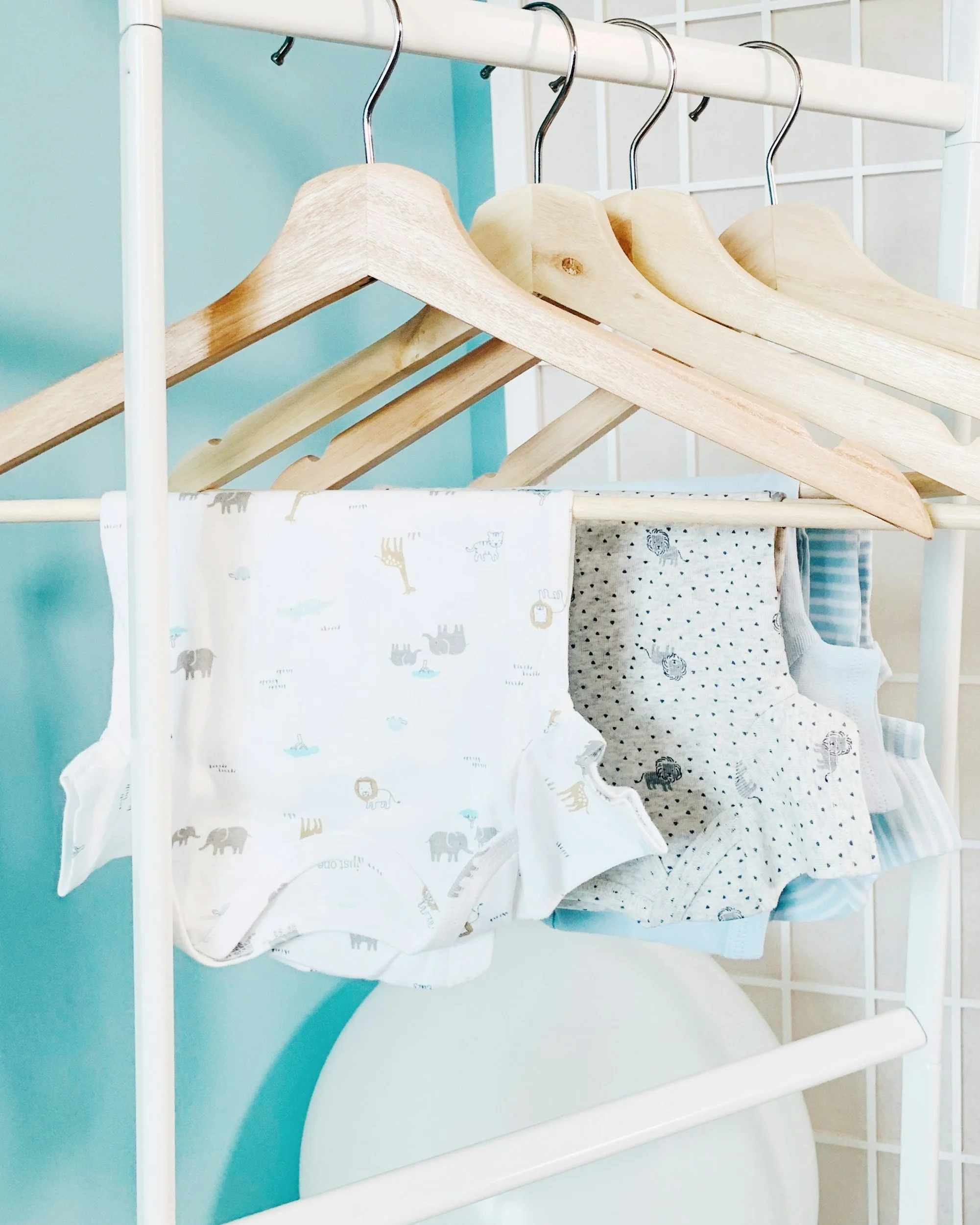
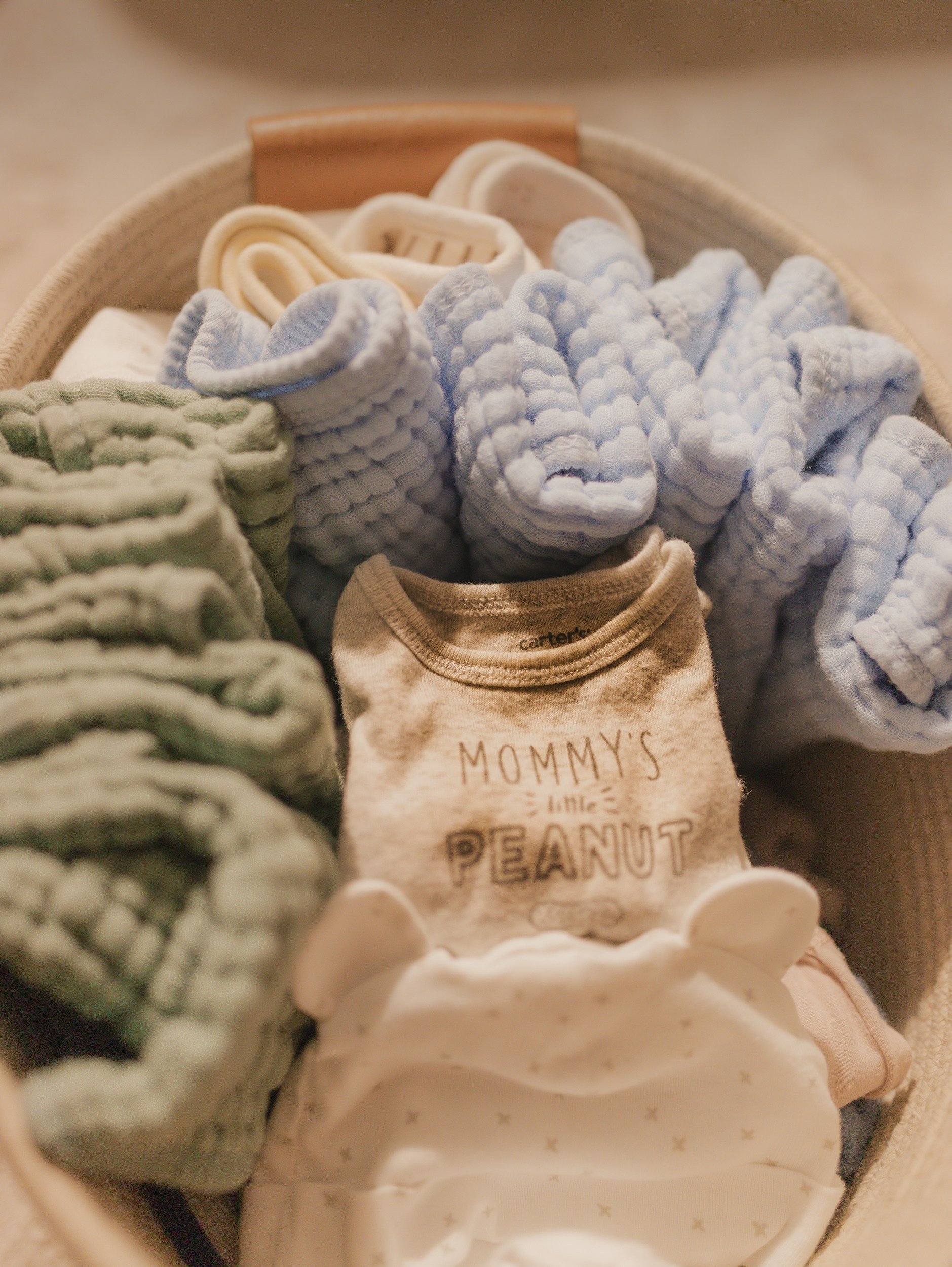
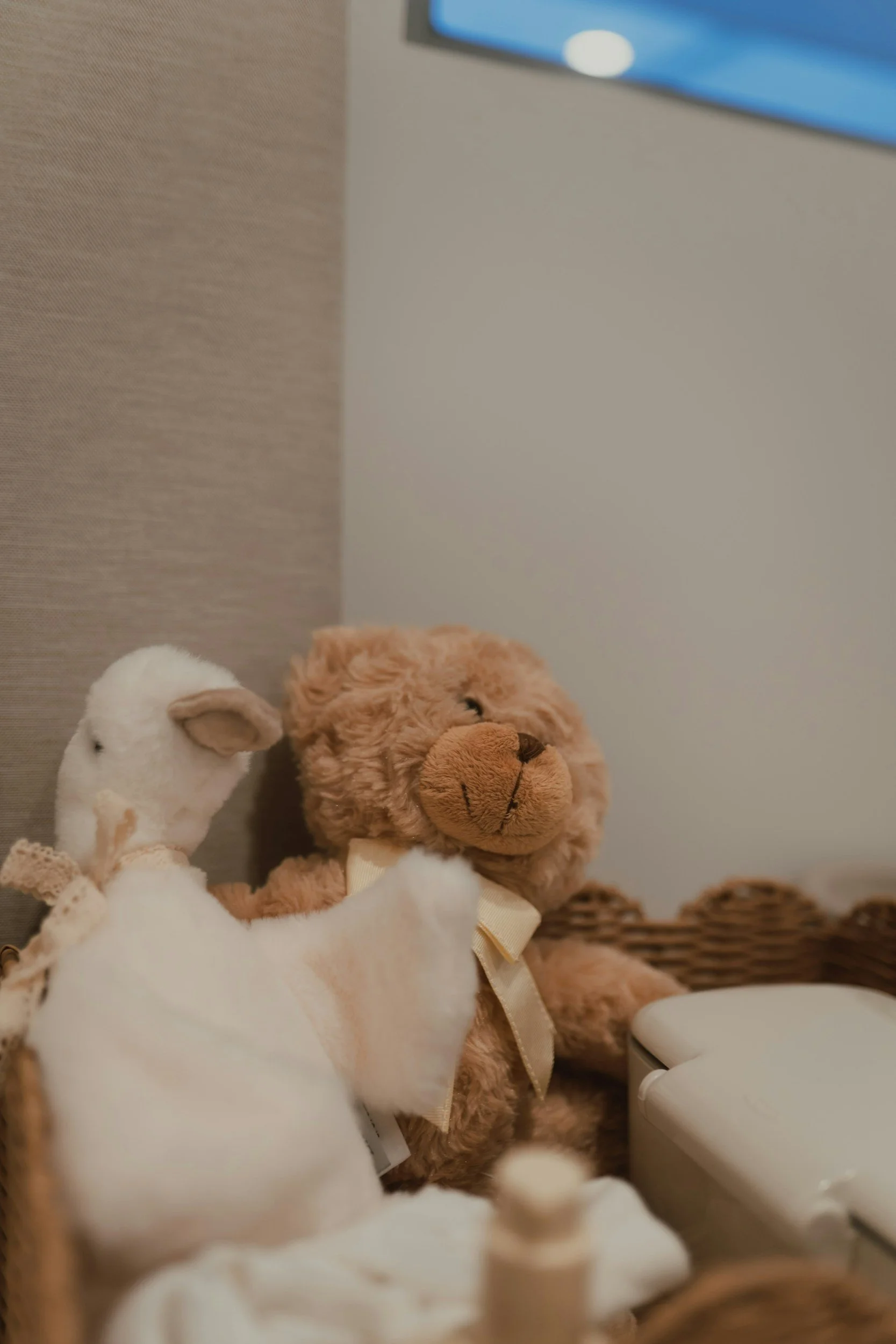
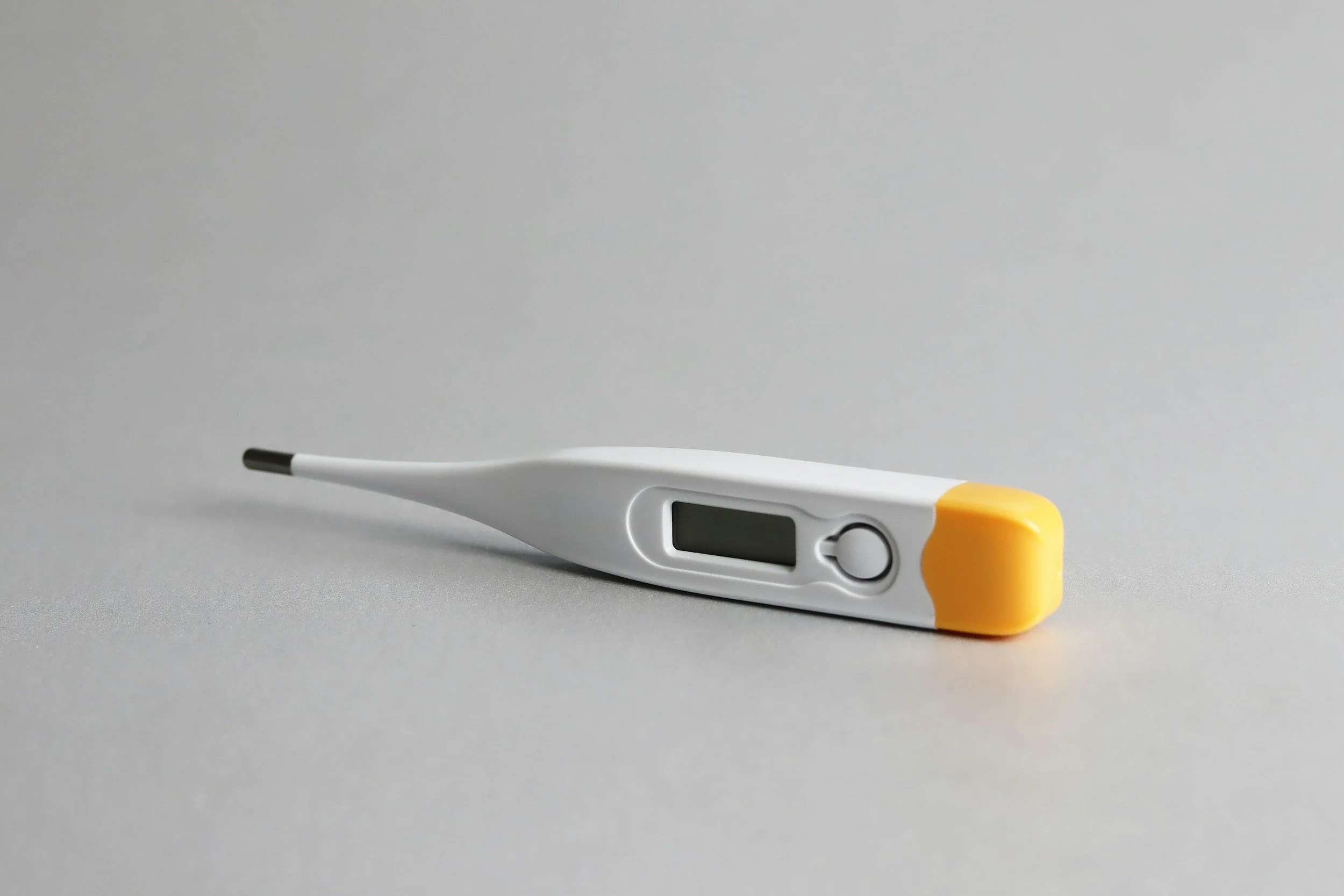
The contents have evolved constantly since 1938. Today's box contains around 50 items of clothing and care essentials for both baby and mother, including ready-made clothes, a thermometer, blankets, bibs, and a picture book. A baby book was added in 1982, and since 2018, children born in Finland receive a new book every month throughout their first year. The box has occasionally sparked debate too - condoms and lubricant were added in the 1970s, framed as support for women's wellbeing. They were dropped in 2025 due to supplier issues.
-
6 x bodysuits
3 x trousers
1 x hood
1 x cap
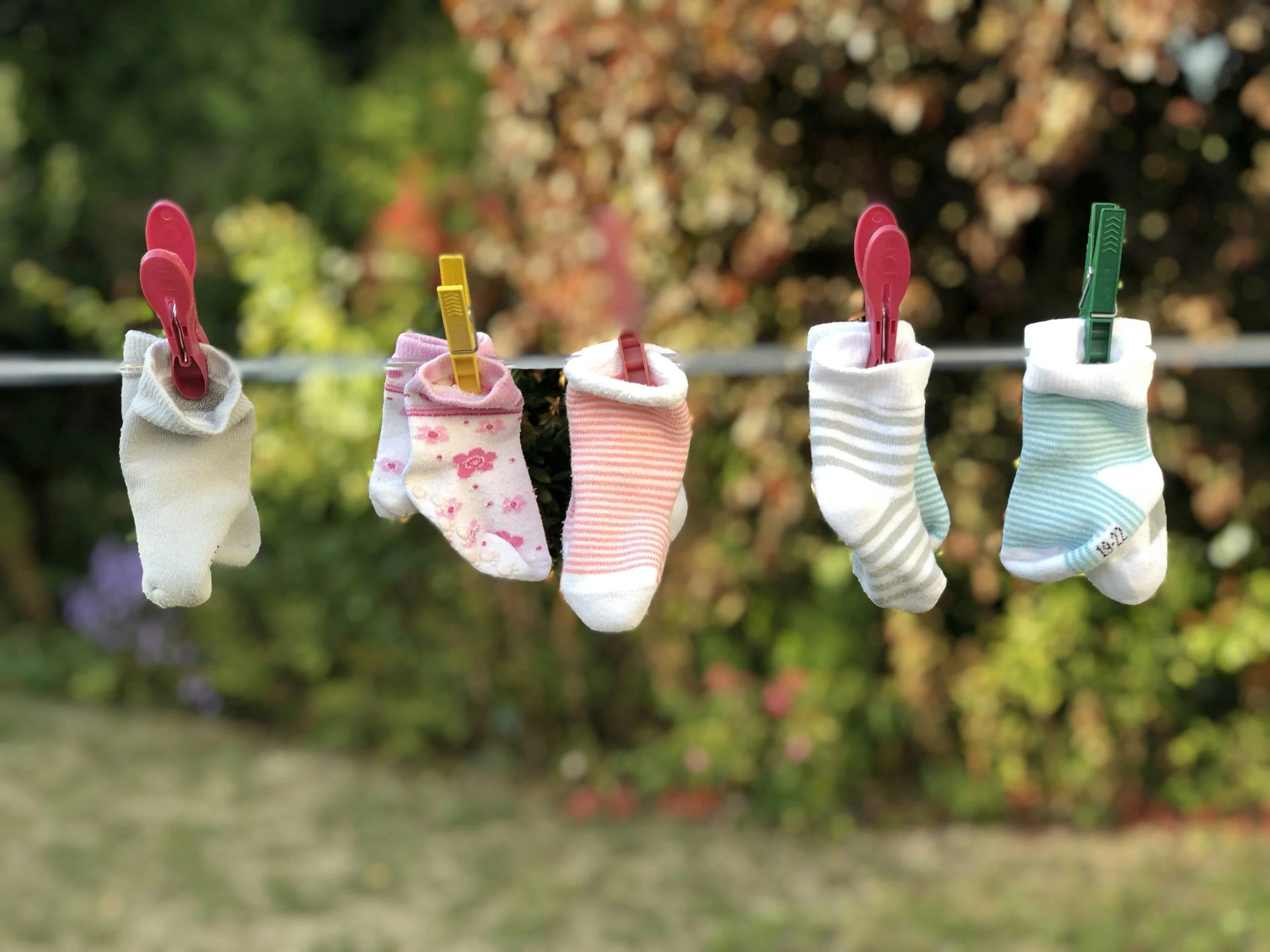
Mittens and socks
1 x wool blend onesie
1 x snowsuit
Insulated booties and mittens
-
1 x sleeping bag
1 x duvet cover
1 x sheet
2 x blanket
1 x mattress
-
1 x Muslin
1 x feeding bib
1 x towel
1 x hairbrush
1 x themometer
Nappies
1 x scissors
1 x toothbrush
1 x book
-
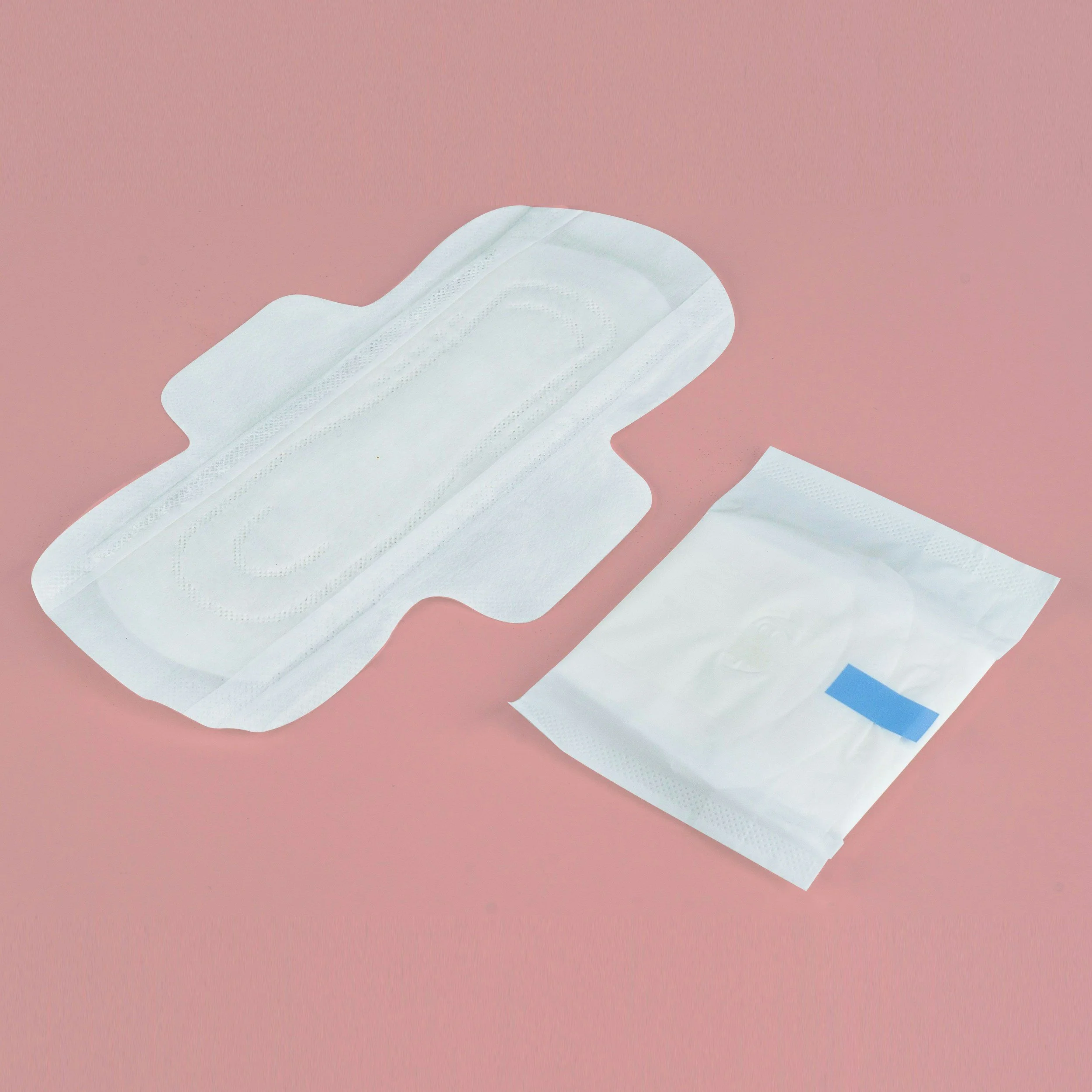
Sanitary Towels
Nipple Cream
Breast pads
The box as a bed
One of the most well-known details about the Finnish box is that it isn't just packaging - it's designed to double as the baby's first bed. The box has a firm-fitting mattress at its base, and the cardboard walls are sturdy enough to create a genuinely safe sleep space. Many Finnish babies have their very first naps in the box itself, before moving to a cot.
This is also part of why the idea has been picked up internationally, some countries and organisations adapted the concept specifically to promote safer infant sleep, since a firm, separate sleep surface (rather than sharing a bed with a parent) is one of the clearest ways to reduce the risk of sudden infant death (SIDS).
What other countries offer this?
Several other countries have been inspired by Finland's baby box initiative.
In 2017, Scotland introduced a very similar scheme, in which every expecting parent receives a box. The initiative has been a huge success and has meant every newborn in Scotland is given the best possible start in life.
As of 2026, all you need to be eligible is living in Scotland and registered with a midwife. Your midwife will then register you for your box, and it should arrive around 4 weeks before your due date.
Since 2017 Scotland has offered ‘Scotland’s baby box’ to all parents.
Wales launched "Baby Bundles" in February 2026, though it's currently targeted rather than universal for families with particular need, registered by a midwife around 16 weeks.
The United States tried a similar model from 2017 (New Jersey, Ohio, Alabama, Texas, Colorado), but in 2022 new federal safety rules meant the cardboard box design no longer qualified, and most of these programmes have since unfortunately been closed.
Australia offers "baby bundles" in New South Wales and Victoria since 2019, though there's no single national scheme.
South Africa's Thula Baba Box takes a different approach - it's given as an incentive for attending antenatal classes and clinic check-ups, run by community organisations, and has been shown to meaningfully improve how often mothers attend care.
Nearly ninety years on, Finland's baby box remains a rare example of a wartime-era policy that never disappeared but simply evolved. Its influence has spread far beyond Finland, inspiring versions in Scotland, Wales, Australia, South Africa, and beyond, each adapted to fit very different needs and circumstances.
Whether or not your own country offers something similar, it's a good reminder of just how differently the world approaches the first days of a baby's life.