Supporting Your Partner Through Birth Abroad: A Real Story From China
Last year, my brother and sister-in-law had a beautiful little boy in China (my first nephew!). My sister-in-law is Chinese, which you might think made things easier, and in some ways it did. However, nobody really talks about what it feels like to support someone through pregnancy in a foreign country. To sit in a hospital where nobody speaks your language. To hold it together in the room while quietly falling apart inside. To be the person everyone assumes is fine because they're not the one giving birth. To not know the customs, cultures, what’s normal, what’s not, all whilst going through your first ever pregnancy.
My brother became a dad in China. Thousands of miles from our family in Scotland, in a hospital system entirely unknown, in his second language.
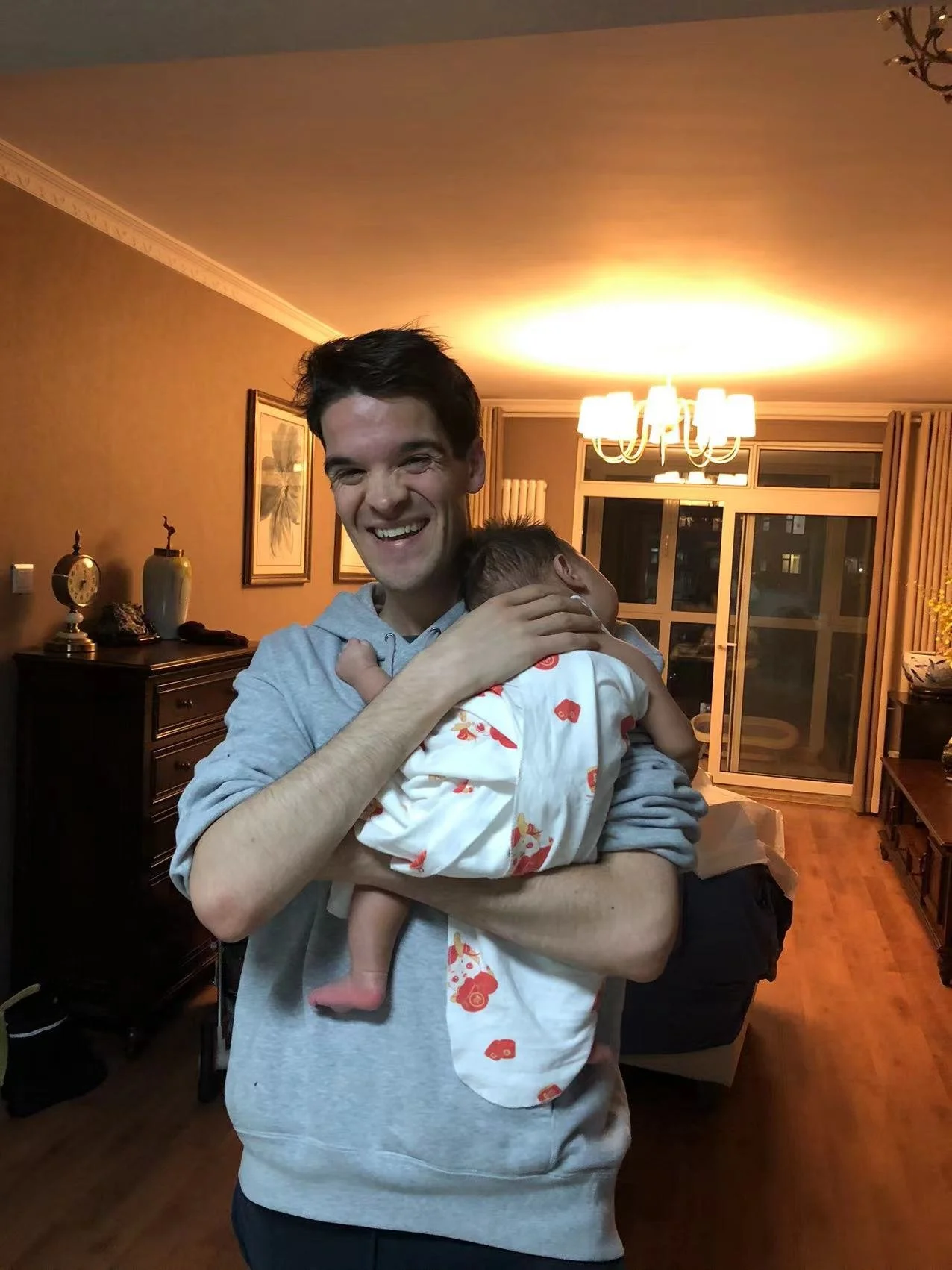
My brother has very kindly answered some questions about his experience. As a midwife and his little sister - this story is particularly close to my heart. If you are navigating pregnancy in China yourself - whether pregnant or a partner, I hope this story makes you feel a little less alone.
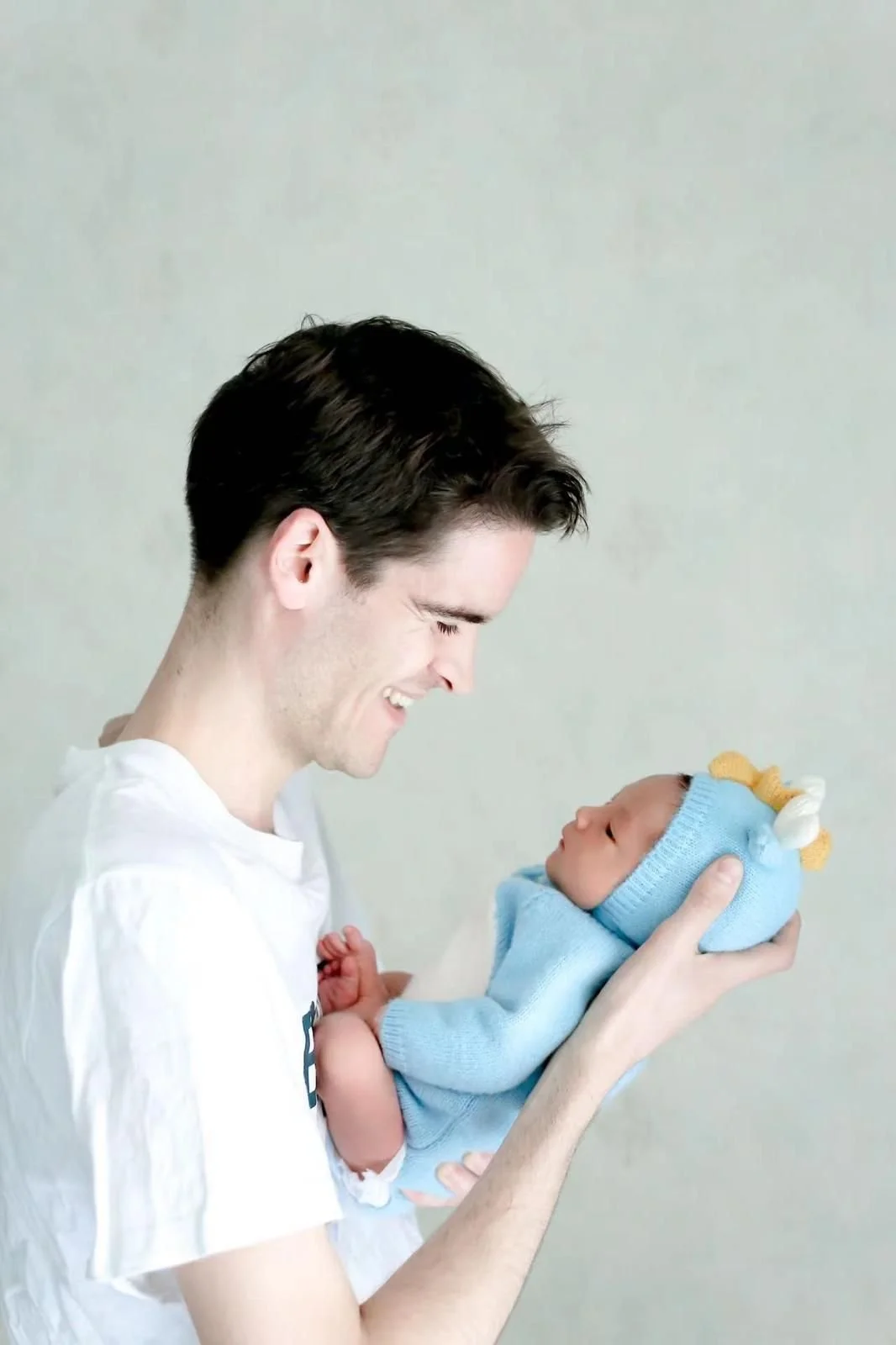
My brother Jamie with baby Ethan
When you found out you were expecting, what was your initial reaction to the idea of going through pregnancy and birth in China?
My initial reaction was excitement along with feeling pretty nervous as we hadn't done at lot of planning for a baby! However, I had a good experience with the Chinese healthcare system in the past and so I wasn't too worried as I was pretty sure mum and baby would be well cared for.
How did the Chinese maternity healthcare system differ from what you might have expected back home in the UK - what surprised you most?
“The biggest difference is that they are not allowed to tell you the gender here”
Obviously, the biggest difference is that they are not allowed to tell you the gender here due to historical reasons. In addition, in many hospitals men are not allowed into maternity wards in an attempt to create a safe space for expectant mothers, although private hospitals generally allow fathers to enter. There are also not very many classes that will prepare you for being a parent, so you need to do a lot of research on your own!
“In many hospitals men are not allowed into maternity wards in an attempt to create a safe space for expectant mothers”
Were there language barriers that made things difficult for you, and how did you navigate those as a couple?
I am near fluent in mandarin, however there were still many times I needed some things to be clarified to me since the doctors would use very specialised language to talk about pregnancy and how the baby was doing. My wife is Chinese and she too had to ask for some of the terms to be explained! I would recommend finding a private hospital where doctors can speak English if neither you or your spouse are native speakers as otherwise you may miss out on or misunderstand key information about your pregnancy.
“I would recommend finding a private hospital where doctors can speak English if neither you or your spouse are native speakers as otherwise you may miss out on or misunderstand key information about your pregnancy.”
Your wife is Chinese, so she had a natural familiarity with the system - did that dynamic help, and were there ever moments where you still felt out of your depth despite that?
Since my wife is Chinese, I felt it was a lot easier for us to navigate the Chinese healthcare system especially because not every hospital feels comfortable catering to foreign families due to cultural and language barriers. Doctors in public hospitals are also often very stressed and overworked and cannot be the most patient when asked lots of questions! Again, if you can find a reliable private hospital, I found that the medical staff there were a lot friendlier and approachable if there was anything I was confused about. I did send my sister about a million messages with questions to explain concepts and protocols which I felt were not properly explained to us.
“Not every hospital feels comfortable catering to foreign families due to cultural and language barriers.”
How did being far from your own family and support network affect you personally throughout the pregnancy and after the birth?
Obviously being far away from your family makes a challenging situation like pregnancy even harder since there are not as many people as you can rely on for help and emotional support. I would urge everyone to make sure to keep in touch with and speak to your family and friends back home if you are struggling and need some help or advice. Also, make sure to build up your social group in your new country! I have several great friends who came over after the birth to see how we were doing and help us with the baby which was amazing.
“I would urge everyone to make sure to keep in touch with and speak to your family and friends back home”
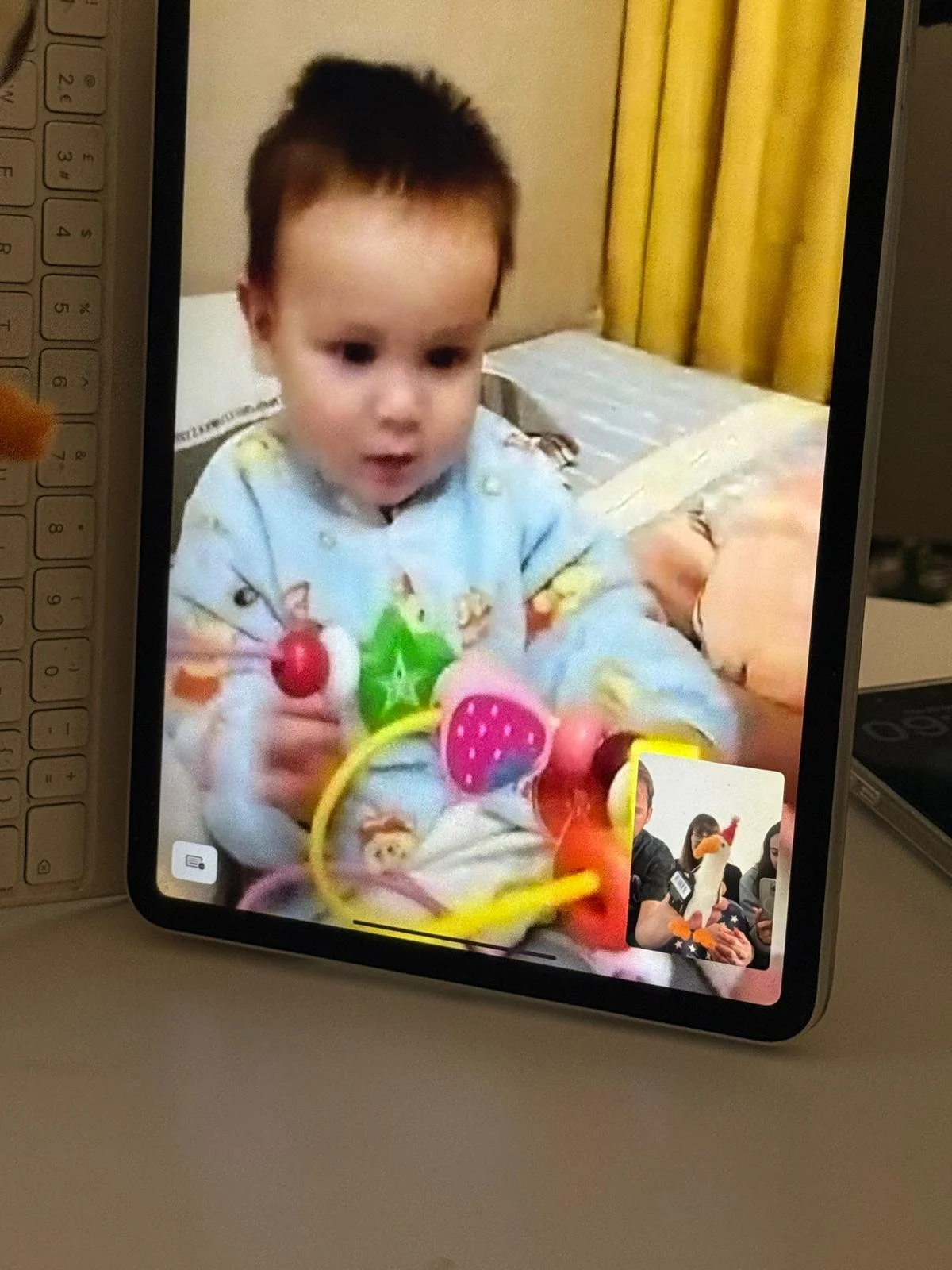
Video calls become a lifeline
Were there cultural differences around pregnancy, birth or newborn care that took you by surprise or that you had to adapt to?
The biggest cultural difference between China and the UK is the idea of "yuezi"-that is, new mothers ideally should rest and be looked after for the first month. I think this is a great idea, but it takes a lot of planning! Will you do it at home, or in a special "yuezi" center? If so, which one? How will you find a nanny or nurse to help you with the baby during this time? Private “Yuezi” centers are also very expensive, which is something to bear in mind.
“The biggest cultural difference between China and the UK is the idea of "yuezi"
that is, new mothers ideally should rest and be looked after for the first month.”
What was the most challenging moment of the whole experience, and how did you get through it?
We had one very challenging moment during the pregnancy when my wife had some bleeding after a walk - after a very panicked car ride to the hospital and a check, we were reassured everything was fine. It is best to make sure you know where your local hospital is, as well as where the maternity clinic is located so you can go quickly in an emergency. During the birth itself, make sure you communicate clearly to the hospital staff you would like the father to be in the room as this is not standard in China, they usually wait outside.
“Communicate clearly to the hospital staff you would like the father to be in the room as this is not standard in China”
What do you wish someone had told you before going through this — what would have made the biggest difference?
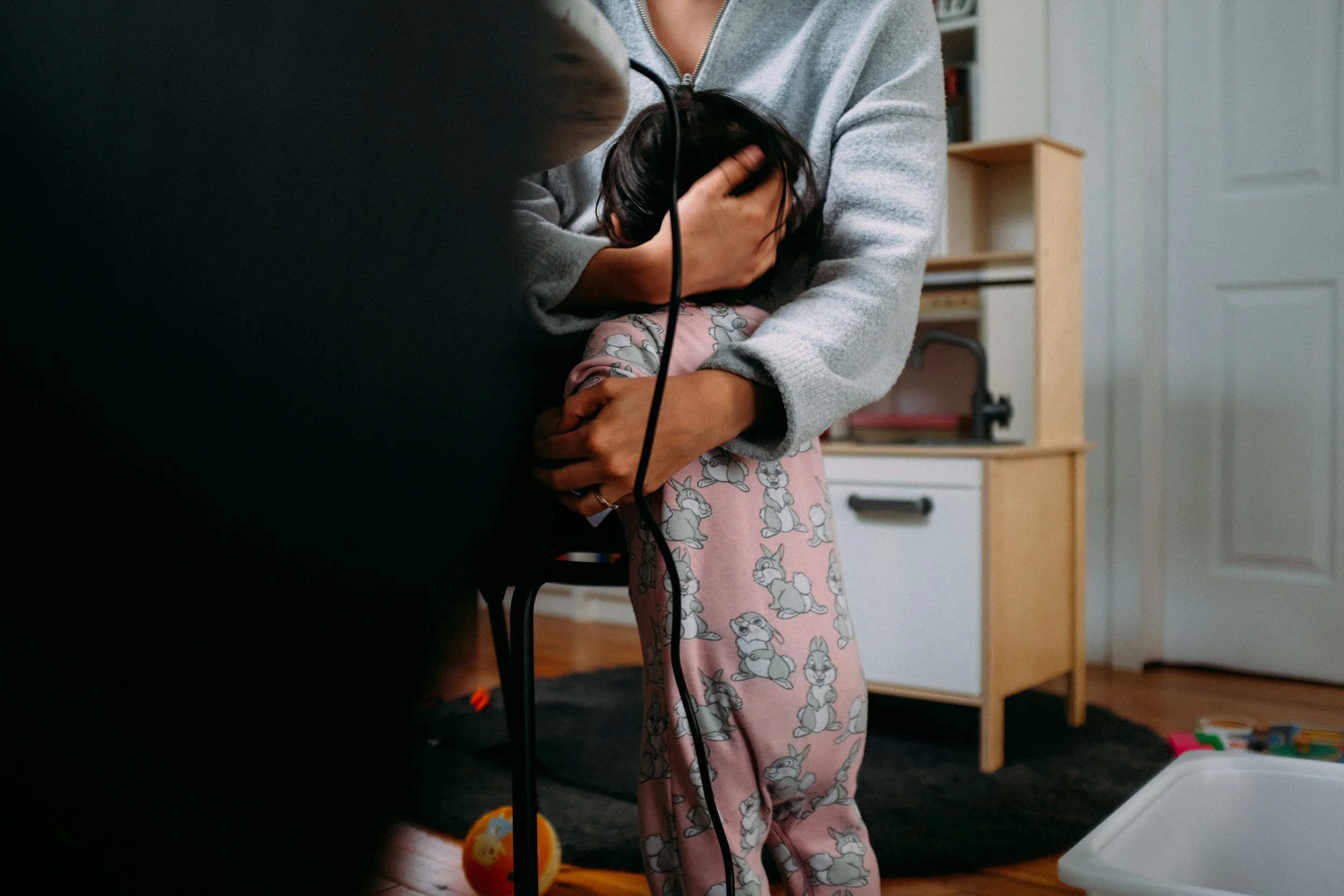
I wish someone had told me that if you would like to have a nanny look after you and the baby during your “yuezi” it Is best to book well in advance of the birth. Good nurses and nannies are in high demand, and sadly there are also plenty of unscrupulous ones due to poor regulation of the industry. My wife and I were lucky, but I have heard plenty of horror stories of people who have found poor and untrained nannies which cause more harm than good.
“My wife and I were lucky, but I have heard plenty of horror stories of people who have found poor and untrained nannies which cause more harm than good.”
What would you say to other partners from the UK or abroad who are about to navigate pregnancy and birth in a foreign country?
I would advise someone who was planning to give birth in a foreign country to make sure to consider how you are going to communicate with the medical staff, whether or not there may be cultural differences that may cause misunderstandings and also to educate yourself on what is normal in their country. For instance, I have one friend who was given quite a telling off for insisting on knowing the gender of the baby! Lastly though, I would like to reassure them and get excited for their new baby!
Pregnancy and birth abroad is an adventure - complicated, overwhelming at times, and completely unforgettable. Whether you are the one carrying the baby or the one holding their hand through it, you deserve to feel prepared, supported and excited. If you are navigating pregnancy abroad and need someone in your corner - I'm here.