C-Section in Italy: What Antenatal Classes Often Don't Cover (A Real Experience from Puglia)
Nearly a third of all births in Italy are by caesarean section - one of the highest rates in Europe. Yet in many antenatal classes across the country, particularly in the South, surgical birth receives little to no preparation time. What happens when the birth you weren't prepared for is the one you get?
It is also worth noting that birth experiences in Italy can vary significantly depending on where you are. The north and south of the country differ considerably in their approach to maternity care, and rates of caesarean section in southern regions are notably higher than the national average. Even within regions, experiences can differ hospital to hospital. The level of English spoken, the involvement of partners during labour, and the information given to mothers beforehand is far from consistent. This makes preparation all the more important, wherever in Italy you are.
I spoke with Valeria, who lives in Puglia, in the south of Italy. This is her story, real and raw, in her own words.
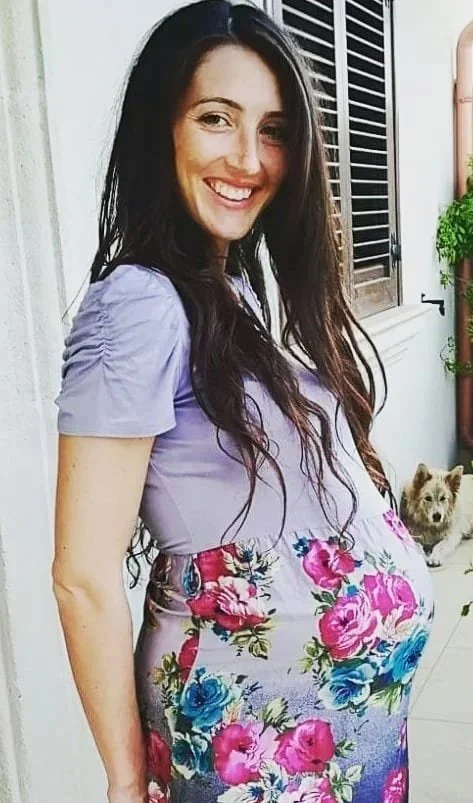
Valeria, pregnant with Martino
Before the birth
During my first pregnancy, a caesarean section wasn’t an option but a necessity dictated by the urgency of the situation. Martino was supposed to be born via natural childbirth, but even though I was already in my 40th week and despite the efforts to induce labour, Martino simply wouldn’t come out. So, in the summer of 2018, after 9 hours of labour and contractions I just want to forget, I was rushed to the operating theatre for an emergency caesarean section. Martino’s heart rate was starting to slow down and my cervix was only 1 cm dilated. There was no hope left for a natural birth. The process was so rushed and a complete blur, I can barely remember being asked for permission to proceed with a caesarean, but in such a high-risk emergency situation, I believe it is the doctors’ duty to make decisions quickly.
My only regret is not having received the right information at the right time: despite having attended the antenatal classes regularly, no one had mentioned the possibility of a caesarean section. A major shortcoming for a course that is supposed to prepare expectant mothers for every eventuality, including a surgical procedure that involves great suffering, especially in the post-operative period.
“No one had mentioned the possibility of a caesarean section. ”
The Birth itself
During an emergency caesarean, the operating theatre becomes a kind of limbo that the patient struggles to comprehend. There is so much chaos all around, actions carried out on autopilot, and a tremendous fear that something terrible might happen.
There were so many people around me, but I find it hard to say exactly how many staff were crowding into the room to deliver my baby. Certainly, none of my closest loved ones were there, but that was already part of the plan: in hospitals in southern Italy, fathers cannot easily be present for a natural birth, let alone a caesarean section.
“In hospitals in southern Italy, fathers cannot easily be present for a natural birth, let alone a caesarean section.”
I felt everything that was happening around and inside me, literally inside my body: the doctors cutting through the various layers of tissue, the hands manoeuvring my internal organs to grasp Martino and finally bring him into the world, the incision being closed.
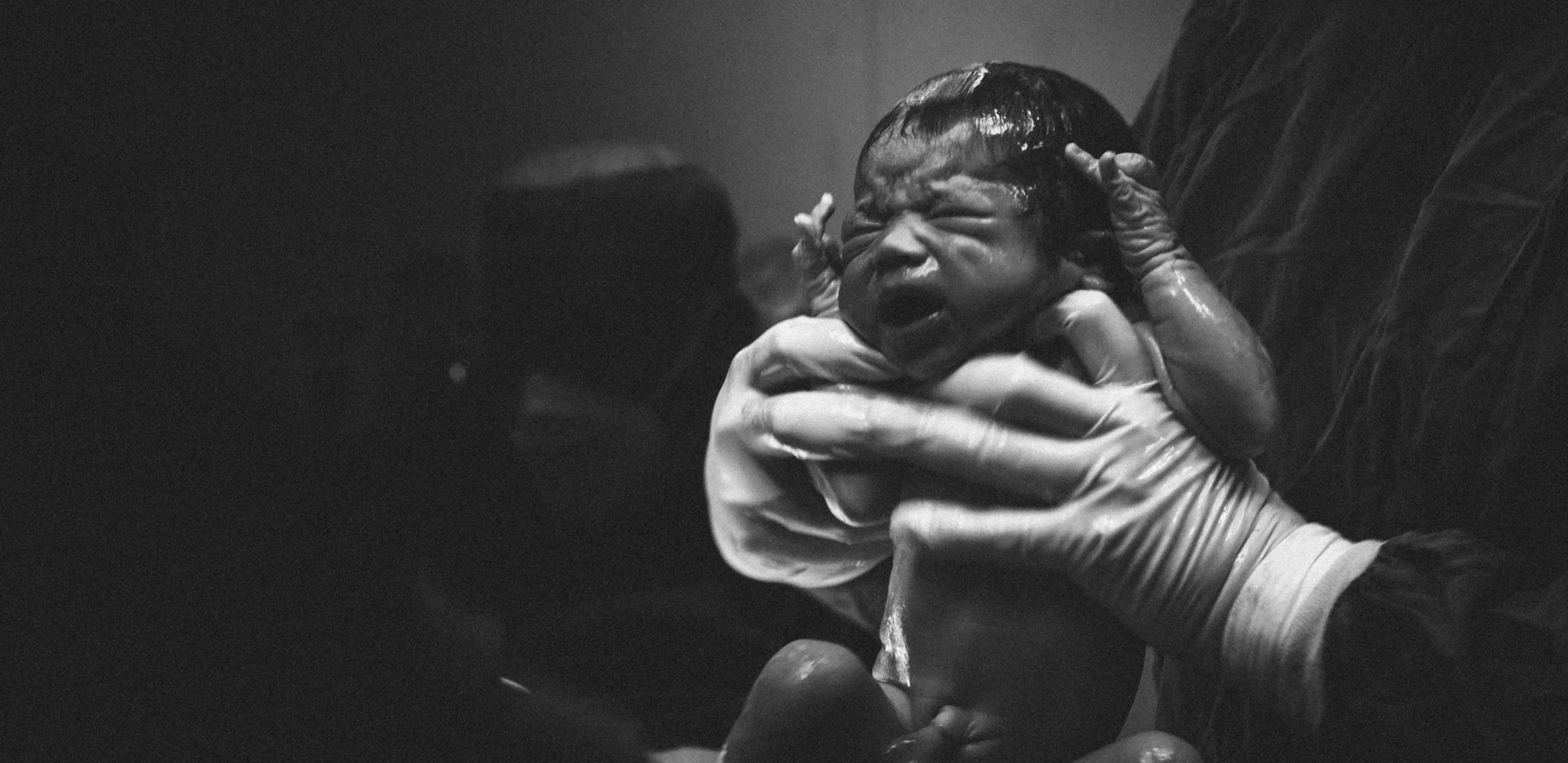
But, despite the daze, during those interminable minutes in the operating theatre I kept asking myself: where is Martino? What has happened to my baby? And above all, why haven’t I heard him cry?
The staff at the hospital didn’t even show me the baby, and I remember this as a moment of pure anguish. I immediately imagined there had been some sort of problem, and a little more reassurance would have been welcome.
Fortunately, Martino was fine; I was able to hold him close a few minutes after leaving the operating theatre, following this incredible ordeal with a happy ending.
The recovery
After Martino was born, I stayed in the ward for three days, as is standard practice following a caesarean section.
I shared a room with three other women, but needless to say, after a caesarean, all you really want is peace, quiet and the company of a loved one to look after you. Instead, I found myself in a cold, dreary hospital room, far from my partner (fathers are only allowed to visit the new mum and baby for one hour in the afternoon) and the comforts of home. Fortunately, they at least allowed my mum to keep me company for a few extra hours, but only because the post-operative pain was unbearable and I couldn’t look after Martino or myself.
Speaking of pain, there is a strange and somewhat questionable way of dealing with new mothers in the hospital: the staff are often dismissive, bordering on indifference. I understand the need to encourage the patient not to give in to the pain, but a little more care would have been appreciated. Especially when it comes to breastfeeding, a task that can feel like a heroic endeavour in the first few hours of a baby’s life, yet which instead becomes an imperative strictly enforced by the midwives.
The emotional aspect
Giving birth wasn’t the happiest experience of my life. I’d expected it to be a difficult but joyful time, just as they tell us in antenatal classes, in celebrities’ Instagram posts, and in the romanticised stories aimed at expectant mothers.
“Giving birth wasn’t the happiest experience of my life. I’d expected it to be a difficult but joyful time, just as they tell us in antenatal classes, in celebrities’ Instagram posts, and in the romanticised stories aimed at expectant mothers.”
Giving birth is a traumatic experience for all women, but in some hospitals in southern Italy it is even more so.
There is still little attention paid to the emotional aspects of the experience, especially in the extremely delicate hours following childbirth, when the baby blues mix with physical pain and the feeling of being completely unprepared.
Not to mention the cocktail of anxiety and fear that grips women suffering from postpartum depression. A category to which, alas, I belonged.
But I don’t want this personal account to be nothing but a black hole of pessimism and negativity.
Giving birth was traumatic, I’ll say it again, but today I’m writing this story with my son Martino by my side, one of the most beautiful things that has ever happened to me.
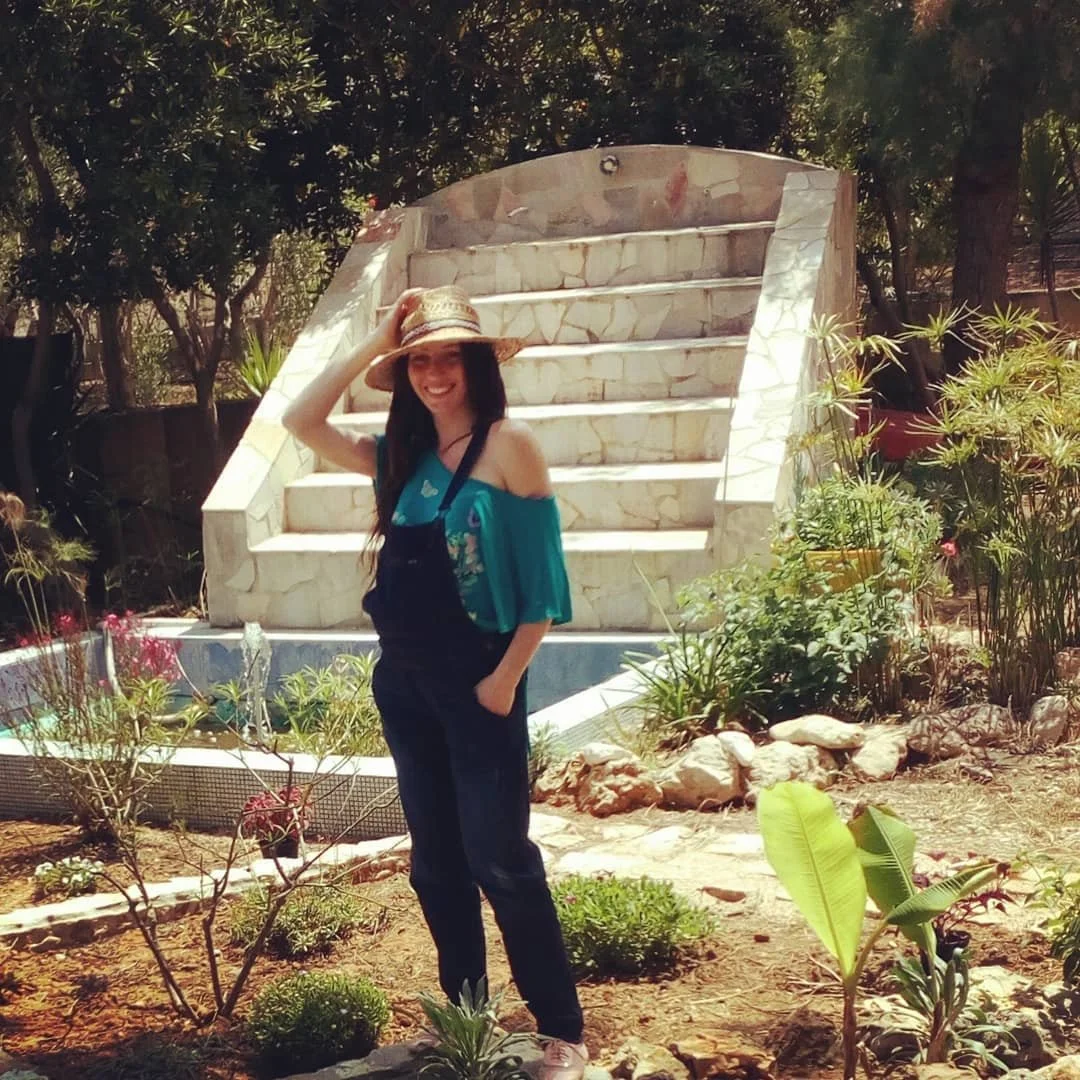
“Giving birth was traumatic, I’ll say it again, but today I’m writing this story with my son Martino by my side, one of the most beautiful things that has ever happened to me.”
So I’ll add that giving birth is difficult, but it’s always worth it.
And in fact, I did it again. In 2024, I gave birth to my second son, Yuri.
But that’s another story; perhaps I’ll tell it in the next post :)
Birth does not always go to plan and the silence around those experiences can feel isolating. When women hear only positive birth stories, they can feel that their own difficult experience is somehow unusual. Sharing the harder stories matters, not to frighten, but to normalise, validate, and make sure no woman feels alone in what she went through.
Valeria's story is not uncommon. An unplanned caesarean is not a rare outcome and in Italy surgical birth is common. Yet it remains an afterthought in many antenatal education programmes. If you are pregnant abroad and want to make sure you go into your birth informed about every eventuality -including intervention and recovery, I'd love to support you. The right information, at the right time, changes everything.